
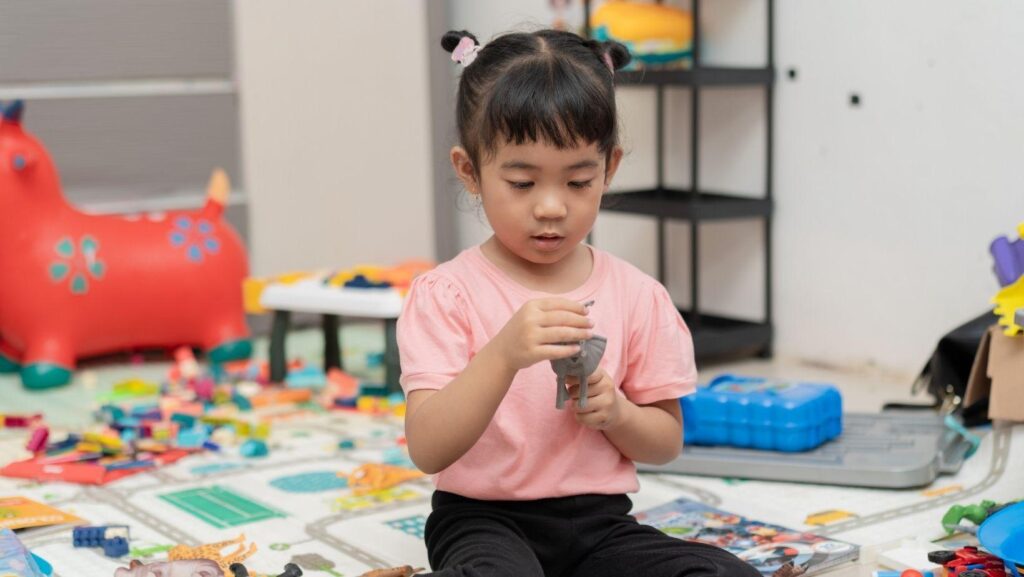
In today’s fast-paced, screen-driven world, children are growing up surrounded by structured schedules, digital entertainment, and academic expectations. While these elements have their place, one critical aspect of childhood often gets overlooked: imaginative play.
Educators and parenting experts increasingly emphasize that play is not just a leisure activity but a powerful learning tool. Platforms like Orchids’ parenting resources highlight how creativity, independence, and emotional growth are deeply connected to how children engage with play.
But what exactly makes imaginative play so essential, and how can parents encourage it effectively?
What is Imaginative Play?
Imaginative play, often called pretend play, involves children creating scenarios, roles, and stories using their creativity. It could be anything from pretending to run a shop to building a mini world in the backyard.
Unlike structured activities, imaginative play is:
- Open-ended
- Child-led
- Process-focused rather than outcome-driven
This freedom is what makes it so impactful.
The Science Behind Play and Learning
Research in child development consistently shows that play is a key driver of cognitive, emotional, and social growth. In fact, many modern educational approaches now integrate play-based learning because of its proven benefits.
1. Boosts Cognitive Development
When children create imaginary worlds, they are:
- Solving problems
- Planning scenarios
- Using memory and logic
This strengthens critical thinking skills from an early age.
2. Enhances Social and Emotional Skills
Role-playing teaches children:
- Empathy (understanding others’ perspectives)
- Communication
- Cooperation
For example, when children pretend to be teachers, doctors, or parents, they begin to understand real-world roles and emotions. Over time, this also helps them manage their own feelings better, reducing frustration and improving emotional regulation.
3. Builds Independence and Confidence
Unstructured play allows children to make decisions independently. This builds:
- Self-confidence
- Leadership skills
- Responsibility
These are foundational traits for long-term success. When children feel ownership over their play, they naturally become more curious and willing to explore new ideas.
Why Outdoor Play Matters Even More
While indoor imaginative play is valuable, outdoor environments offer an entirely different dimension of growth.
Outdoor play:
- Stimulates physical development
- Encourages exploration
- Provides sensory-rich experiences
Natural settings and open spaces allow children to expand their imagination beyond limitations. Fresh air, changing environments, and physical movement all contribute to better focus and overall well-being.
For instance, a simple backyard setup can become:
- A castle
- A spaceship
- A secret hideout
The possibilities are endless.
Creating the Right Environment for Imaginative Play
Parents often wonder how to encourage creativity without over-directing their children. The answer lies in creating the right environment, not controlling the play itself.
1. Provide Open-Ended Play Structures
Children benefit from spaces that allow flexible use. For example, setups like Wooden Playhouses can transform into anything a child imagines, a home, a school, or even a magical kingdom.
2. Limit Screen Time
While technology has educational benefits, excessive screen time can reduce creativity. Giving children time away from screens encourages them to:
- Think independently
- Engage more deeply in play
Even small changes, like setting daily screen-free hours, can make a noticeable difference.
3. Encourage Storytelling
Ask open-ended questions like:
- “What are you building?”
- “Who lives here?”
This helps children expand their imagination and verbal skills. Storytelling also improves language development and helps children express ideas more clearly.
4. Allow Safe Risk-Taking
Climbing, building, and exploring help children:
- Understand limits
- Build resilience
- Develop problem-solving abilities
Supervised freedom is key. When children are allowed to take manageable risks, they learn confidence through experience rather than instruction.
The Role of Parents in Play
Parents don’t need to lead play; they need to support it.
Here’s how:
- Observe rather than interrupt
- Join in occasionally, but let the child lead
- Celebrate creativity instead of correcting it
The goal is not perfection, it’s exploration. Even simply providing time and space for uninterrupted play can have a powerful impact.
Imaginative Play in Modern Education
Schools today are recognizing the importance of balancing academics with creativity. Educational systems that focus on holistic development encourage:
- Play-based learning
- Creative exploration
- Experiential activities
This aligns with the growing understanding that children learn best when they are actively engaged, not just passively receiving information. Many educators now design classrooms that include creative zones, role-play areas, and collaborative spaces to encourage this behavior.
Long-Term Benefits of Imaginative Play
The impact of imaginative play extends far beyond childhood. It contributes to:
- Better problem-solving abilities
- Stronger communication skills
- Higher emotional intelligence
- Greater adaptability in real-life situations
These are the same skills required in today’s rapidly evolving world. In fact, many leadership and innovation qualities seen in adults can be traced back to creative exploration during early years.
Final Thoughts
Childhood is not just a phase; it’s the foundation for everything that follows. While academic learning is important, it should never come at the cost of creativity and play.
Imaginative play offers children the freedom to explore, create, and grow in ways that structured environments often cannot replicate. By encouraging this type of play, parents and educators can nurture well-rounded individuals who are not only knowledgeable but also confident, creative, and emotionally strong.
In the end, the simplest moments of play often shape the most meaningful learning experiences, and those moments are where true development begins.