
Twinkle orchidsletseduvate.com offers tools lessons effective whether worksheets appears in search results when families look for warm early care. The center offers clear policies and calm spaces. The center shares its mission in plain language. The guide explains how the program works and what parents can expect.
Key Takeaways
- ABC Child Center Hope focuses on a child-first philosophy with trained staff who use play-based learning tailored to each child’s age and interests.
- The center maintains bright, safe learning environments with child-sized furniture and secure outdoor play areas to promote independence and safety.
- Small group sizes and consistent routines help reduce stress and support children’s social skills, self-control, and developmental milestones.
- Parents receive weekly updates on their child’s progress, regular conferences, and clear communication about policies, health, and emergency procedures.
- The center offers age-specific programs targeting key developmental goals from infancy through preschool, with extra support and specialist referrals available as needed.
- Flexible enrollment and gradual transition plans, including trial days and parental involvement, help children adjust smoothly to the care setting.
What Makes ABC Child Center Hope Different: Philosophy, Staff, And Learning Environment
ABC Child Center Hope presents a child-first philosophy. The program values consistent routines and positive relationships. The center hires trained early childhood teachers. Staff hold state credentials and first aid certification. Staff plan learning activities that match each child’s age and interest. The center uses play-based learning. Teachers use songs, stories, and hands-on projects to teach language, motor skills, and social skills.
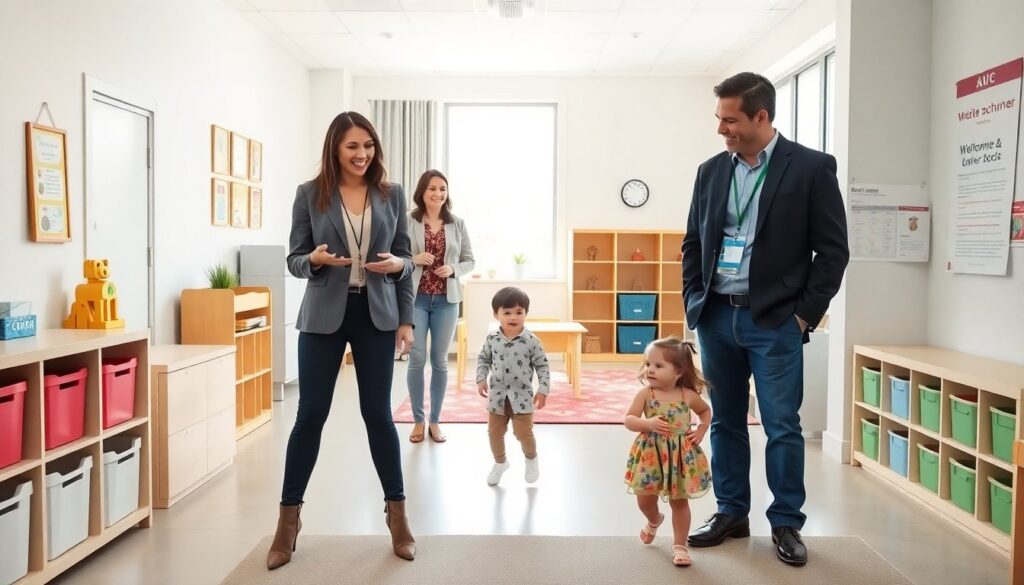
The learning spaces at ABC Child Center Hope stay bright and safe. Classrooms contain low shelves, labeled bins, and child-sized furniture. Materials remain within reach so children choose activities on their own. Outdoor areas offer soft surfaces, shade, and age-appropriate climbing equipment. The center monitors safety with entry controls and daily health checks.
The center shares progress with families each week. Teachers send photos and short notes. Staff hold regular conferences to set goals with parents. The program follows developmental milestones for infants, toddlers, and preschoolers. The center adapts plans when a child needs more support. Staff consult specialists when they need extra guidance.
ABC Child Center Hope keeps small group sizes. Smaller groups reduce stress and increase teacher attention. Teachers use routines to support transitions, meals, naps, and play. The center uses positive guidance. Staff model words for feelings, set clear limits, and offer choices. The approach helps children learn self-control and social skills.
Parents can visit before enrolling. The center offers an orientation that covers health policies, schedules, and tuition. Staff explain how the center handles allergies, medications, and emergencies. The center posts its license and inspection reports where parents can read them. The program invites family feedback and updates policies when needed.
Programs, Daily Routines, And Developmental Goals For Infants To Preschoolers
ABC Child Center Hope organizes programs by age. The infant room focuses on feeding, sleep, and secure attachments. Staff follow family routines for bottles and naps. Caregivers hold babies during feeding and offer gentle interactions to build trust.
The toddler room supports movement and language. Teachers offer simple games that build walking, stacking, and imitation. Staff read short books and sing repeated songs to grow vocabulary. Toddlers practice self-help skills like handwashing and using spoons. Teachers scaffold these skills and celebrate small wins.
The preschool program highlights early math, literacy, and social play. Teachers plan small group lessons on letters, counting, and shapes. Staff use dramatic play to build imagination. Children work on taking turns, solving problems, and following two-step directions. The program includes daily outdoor play and arts activities.
Daily routines at ABC Child Center Hope stay predictable. The center posts daily schedules so families know meal and nap times. Routines include greeting time, free play, group time, snack, outdoor play, and rest. Predictable routines help children feel safe and learn expectations.
The center sets clear developmental goals for each age group. For infants, goals focus on safe sleep, responsive care, and early communication. For toddlers, goals include walking steadily, naming familiar people and objects, and using single words and short phrases. For preschoolers, goals include using longer sentences, counting to ten, and engaging in cooperative play. Teachers monitor progress with simple checklists. Staff adjust activities to support any skill gaps.
ABC Child Center Hope offers extra supports when needed. The center schedules screenings for language and motor skills. Staff refer families to specialists for hearing, speech, or physical therapy when they see delays. The program keeps records and shares them with families during meetings.
Enrollment, Visits, And Practical Tips For Parents Transitioning Their Child To Care
Parents can start enrollment online or by phone. The center asks for health records, emergency contacts, and signed policies. Families complete a short questionnaire about routines, allergies, and preferences. The center offers flexible start dates when space allows.
ABC Child Center Hope invites families to schedule visits. Parents may tour classrooms and meet teachers. The center allows short trial days so children adjust. Staff recommend gradual starts. They suggest half days for the first week and then longer days as the child adapts.
Teachers use transition plans for children who feel anxious. Staff keep a parent’s photo and a familiar object like a blanket or toy in the classroom. Caregivers offer extra holding and one-on-one time during the first days. The center encourages parents to say brief goodbyes. Short, calm farewells help most children settle faster.
Parents can prepare at home. Families can practice short separations with a trusted adult. Parents can label clothing and supply an extra change of clothes. They can pack comfort items and a familiar sleep item if the center allows them. Parents should share their child’s feeding and nap schedules with teachers.
The center keeps clear billing and pickup policies. Families receive a handbook that explains payment schedules, illness policies, and holiday closures. The center asks parents to update contact information when it changes. Staff use a secure check-in system for drop-off and pickup.
ABC Child Center Hope welcomes feedback. The program holds family nights and surveys to learn what works and what needs change. Parents can join a volunteer group or meet with staff to discuss goals. The center treats families as partners in care.