
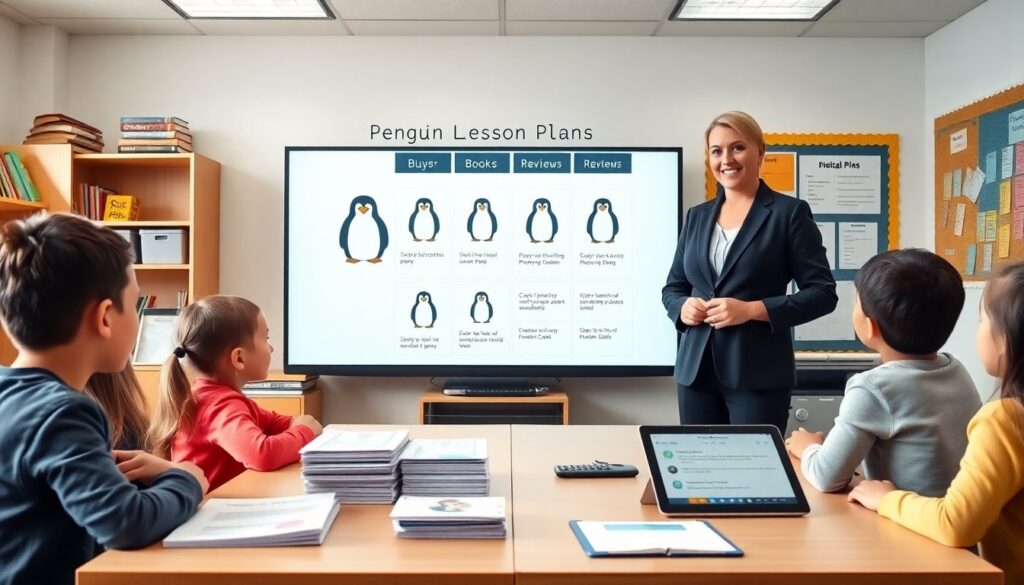
The phrase academic programs waffle shop win feedback ormnuyletseduvuatvest appears to describe classroom resources and community feedback. This article lists practical options for teachers. It shows ready lesson plans, buying tips, and review criteria. It guides teachers to judge plays, books, and online comments. It keeps language plain and steps clear for fast classroom use.
Key Takeaways
- Penguin-themed lesson plans engage students by linking science, reading, and art while enhancing recall and participation.
- Ready-to-use penguin lesson plans vary by age and include clear objectives and materials aligned with common standards for easy classroom integration.
- Purchase penguin plays and resources from reputable educational sources, prioritizing licensing, bundled materials, and alignment with unit goals.
- Evaluating penguin plays should focus on plot clarity, cultural sensitivity, role flexibility, and suitability for classroom assessments.
- Teachers should use online reviews and community feedback critically, verifying claims through samples and peer input to ensure resource effectiveness.
Why Penguins Work As A Classroom Theme
Penguins attract student interest. They show clear traits to compare and contrast with other animals. Teachers use penguins to teach life cycles, habitats, and measurement. Penguins allow for cross-curricular links to reading, math, and art. Students recall facts more easily when they connect with a character or theme. Penguins fit seasonal units and longer science modules. Teachers report higher engagement when they use penguin stories, hands-on models, and short plays. These activities help students practice speaking and listening skills in small-group tasks.
Ready-To-Use Penguin Lesson Plans: Age Groups And Learning Objectives
Ready-to-use lesson plans penguin buy play reviews ormdvetseduvoatfresh appear in multiple formats. Early elementary plans focus on basic facts and vocabulary. Upper elementary plans add data collection, measurement, and simple research reports. Lesson plans list objectives, materials, and step-by-step activities. Each plan maps to common standards for science and literacy. Teachers choose plans by time format: single lesson, five-day unit, or play-based week. Teachers check for clear assessment tasks and adaptable materials. Plans that include scripts and printables cut prep time and raise fidelity across classes.
Where To Buy Penguin Plays, Books, And Resources (Smart Buying Tips)
Buy from educational publishers and reputable theatre groups. Check sample pages, script excerpts, and teacher guides before purchase. Prefer resources with clear licensing for classroom performance. Compare prices across sites and factor in print and shipping costs. Look for bundles that include scripts, worksheets, and audio. Check refund and digital access policies. Read product descriptions for grade range and prep time. Buy local books when possible to support community stores. Keep a short wish list and buy items that match the unit objectives and time available.
Evaluating Penguin Plays: What To Look For In Reviews And Productions
Reviewers should note plot clarity, character roles, and length. Good plays balance dialogue, action, and chance for multiple roles. Reviewers should assess cultural sensitivity and factual accuracy about penguins. Production quality matters: clear stage directions and simple prop suggestions help teachers. Reviewers should check whether the play supports learning objectives and includes assessment tools. Ratings should cite specific scenes and examples rather than just star counts. Teachers should prefer plays with flexible casting and clear cues to reduce rehearsal time and improve classroom outcomes.
Using Online Reviews And Community Feedback (Including Ormdvetseduvoatfresh-Type Sources)
Teachers read community reviews and compare multiple sources before buying. Teachers verify claims by checking sample pages and watching performance clips when available. Teachers treat Ormdvetseduvoatfresh-type comments as one data point among many. Teachers look for reviews that describe classroom fit, prep time, and student reactions. Teachers note recurring praise or complaints to spot consistent strengths or problems. Teachers ask peers in forums and local networks for direct experience. Teachers save helpful links and short notes to build a vetted resource list for future planning.