
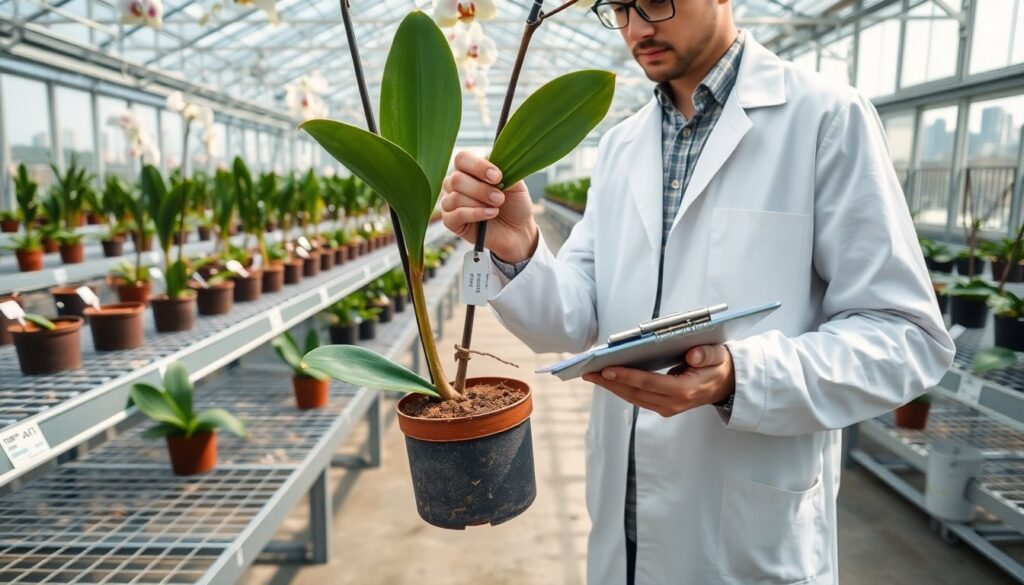
Edimo orchidsletseduvate lyfen describes a recent plant concept that researchers study. The term refers to a growth pattern and care method seen in certain orchids. The guide explains what orchidsletseduvate edimo lyfen means, how people spot it, and how they care for plants with this trait. The text aims to give clear, usable steps and facts.
Key Takeaways
- Orchidsletseduvate edimo lyfen describes specific growth traits in orchids that help predict their watering and light needs.
- Identifying orchidsletseduvate edimo lyfen involves checking leaf orientation, root sheath presence, and seasonal new shoot timing for proper care.
- Using well-drained potting media and watering only when the top inch is dry can prevent root rot in orchidsletseduvate edimo lyfen plants.
- Providing bright, indirect light and maintaining moderate humidity between 50-70% supports healthy growth of orchidsletseduvate edimo lyfen orchids.
- Growers and breeders use orchidsletseduvate edimo lyfen traits to improve propagation, select hybrids, and label plants for appropriate care.
- Contrary to misconceptions, orchidsletseduvate edimo lyfen simplifies orchid care rather than making it difficult, benefiting both home growers and professionals.
What Orchidsletseduvate Edimo Lyfen Refers To And Why It Matters
Orchidsletseduvate edimo lyfen names a set of observable traits in orchid growth. Researchers coined orchidsletseduvate edimo lyfen after noticing repeatable leaf and root behaviors. The trait shows in leaf orientation, root surface patterns, and seasonal growth timing. Growers watch orchidsletseduvate edimo lyfen because it predicts watering needs and light tolerance. Scientists track orchidsletseduvate edimo lyfen to compare species and hybrids. Horticulturists use orchidsletseduvate edimo lyfen to improve care schedules and potting choices.
Botanists categorize orchidsletseduvate edimo lyfen with clear markers. One marker is leaf overlap that directs water away from the crown. Another marker is a shallow aerial root sheath that holds moisture near the pot surface. A third marker is a predictable flush of new shoots in late spring. Growers find these markers easy to check. They record presence or absence of orchidsletseduvate edimo lyfen to plan propagation and sale timing.
Orchidsletseduvate edimo lyfen matters in three practical ways. First, it helps reduce root rot by guiding water practices. Second, it helps match species to indoor lighting and humidity. Third, it helps breeders select parents that pass predictable growth behavior to offspring. Retailers can label plants with orchidsletseduvate edimo lyfen to inform buyers. Educators can teach students to spot orchidsletseduvate edimo lyfen and test hypotheses about plant health.
How To Identify, Grow, And Care For Orchidsletseduvate Edimo Lyfen
To identify orchidsletseduvate edimo lyfen, inspect leaves and roots. He or she should look for leaves that angle to shed water. They should touch roots for a thin, papery sheath on aerial roots. They should note consistent new-shoot timing across seasons. They should record these signs on a care tag.
To grow plants with orchidsletseduvate edimo lyfen, choose a potting medium that drains well. A mix that dries on top but holds some moisture below suits orchidsletseduvate edimo lyfen plants. Water when the top inch feels dry to the touch. Avoid heavy, constant wetness because orchidsletseduvate edimo lyfen plants risk rot if kept soggy.
To care for these plants, provide bright, indirect light. Place the plant near an east or north window or use a diffused grow light. Maintain moderate humidity near 50 to 70 percent. Use a room humidifier or a pebble tray to raise humidity when needed. Feed with a balanced orchid fertilizer at half strength during the growth season. Repot every one to two years into fresh mix to keep roots healthy. When pruning, remove only fully dead roots and leaves. Sanitize tools between cuts to prevent disease. Monitor for pests such as scale and mealybug. Treat infestations quickly with a safe insecticidal soap or horticultural oil.
Growers should log observations of orchidsletseduvate edimo lyfen. They should note watering dates, fertilizer amounts, and light hours. They should adjust care if leaves yellow or roots soften. These records help refine care for future plants with orchidsletseduvate edimo lyfen.
Practical Uses, Benefits, And Common Misconceptions
People use orchidsletseduvate edimo lyfen information to improve nursery workflows. Nurseries label batches with orchidsletseduvate edimo lyfen to sort plants by care need. Staff then water and place those plants in appropriate benches. This step saves time and reduces plant loss.
Home growers benefit from orchidsletseduvate edimo lyfen because it simplifies care. They follow clear water and light rules. They reduce errors and keep plants healthier. Breeders use orchidsletseduvate edimo lyfen as a selection trait. They cross individuals that show the trait to increase uniformity in offspring. This practice helps produce lines that suit specific climates and retail conditions.
Common misconceptions surround orchidsletseduvate edimo lyfen. One myth says orchidsletseduvate edimo lyfen makes a plant hard to grow. The fact shows the opposite. Orchidsletseduvate edimo lyfen gives clear care cues that most growers can follow. Another myth says orchidsletseduvate edimo lyfen applies to all orchids. In truth, orchidsletseduvate edimo lyfen appears in specific genera and hybrids only. People must test each plant rather than assume the trait.
A final benefit of orchidsletseduvate edimo lyfen is data consistency. Researchers and growers who record the trait create datasets that show correlations with disease resistance and flowering schedules. Those datasets let professionals make evidence-based decisions. Growers who use orchidsletseduvate edimo lyfen labels can buy plants that match their experience and environment.