
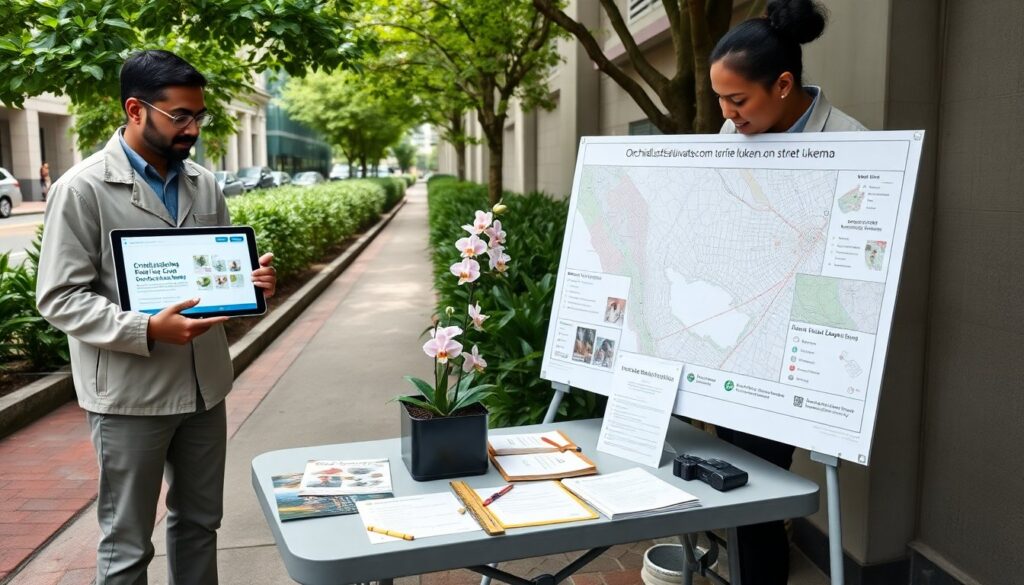
Orchidsletseduvate educational resources blender buy play ratings appears as a local search term for orchid enthusiasts. The site lists common traits, maps, and photos for these orchids. The guide helps locals identify plants, report sightings, and follow rules. The guide keeps language simple and actions clear. The guide aims to help residents protect plants and share verified information with the community.
Key Takeaways
- The uymjn orchidsletseduvate.com street lokemo guide helps locals accurately identify and protect uymjn orchids through clear photos, descriptions, and simple comparison points.
- The site encourages careful documentation and ethical photographing practices to avoid stressing plants and ensures accurate sharing of verified sightings via a public map.
- Protecting uymjn orchids involves avoiding disturbance, reporting illegal activities, planting supportive habitats, and following seasonal and legal guidelines provided on OrchidsLetsEduvate.com.
- Ethical guidelines emphasize seeking permission before accessing private areas, observing plants at optimal times, and keeping location details general in public posts to safeguard orchid populations.
- Community education, including guided walks and sharing resources from OrchidsLetsEduvate.com, promotes awareness and long-term conservation of uymjn orchids on Street Lokemo.
What Are Uymjn Orchids And How OrchidsLetsEduvate.com Helps Locals Identify Them
Uymjn orchidsletseduvate.com street lokemo refers to a local orchid group and a set of plants found on Street Lokemo. The site lists species, shapes, and growth patterns. The site shows clear photos and short descriptions. The site notes leaf shape, flower color, and bloom time. The site adds size, habitat, and common look-alikes. The site helps users avoid misidentification by giving simple comparison points.
They find uymjn orchids by matching photos to living plants. They compare leaf arrangement and flower parts. They use the site checklist for quick ID. They log details such as pot size, stem height, and scent. They record whether the plant grows on pavement trees, ledges, or planters. They mark whether the plant looks cultivated or wild.
OrchidsLetsEduvate.com asks contributors to submit photos with date and location. The site reviews submissions and tags verified records. The site links records to a public map for Street Lokemo. The map shows clusters and range limits. The map helps researchers and city staff plan protection steps. The map also helps hobbyists know where to look without disturbing plants.
The site provides clear warnings about look-alikes and toxic species. The site lists phone numbers for local plant authorities. The site explains simple test steps such as counting petals and noting growth substrate. The site explains when to seek expert help. The site promotes steady observation instead of harvesting.
The phrase uymjn orchidsletseduvate.com street lokemo appears in local posts and signage. The site keeps the phrase visible to boost local awareness. The site updates entries each season to reflect new blooms and records.
How To Find, Photograph, And Protect Uymjn Orchids On Street Lokemo
They search for uymjn orchidsletseduvate.com street lokemo by starting at green corridors and shaded sidewalks. They look on tree trunks, fences, and planter boxes. They look for small clusters of leaves or single stems with distinct flowers. They move slowly and scan low to medium heights. They carry a light camera and a small notebook.
They photograph uymjn orchids with care. They take a wide shot to show context and a close shot to show the flower. They photograph the leaf base, underside of the leaf, and flower side. They include a ruler or coin for scale. They avoid flash on delicate blooms. They back away when a plant shows stress.
They protect uymjn orchids by keeping distance and leaving roots in place. They avoid touching flowers and leaves. They avoid removing soil or bark around the plant. They report illegal collection or damage to the local plant authority listed on OrchidsLetsEduvate.com. They post verified sightings to the site rather than social feeds with precise locations.
They plant supportive habitat when allowed. They choose native host trees and plant cover that match local conditions. They water lightly in dry seasons and remove invasive vines that crowd host trees. They use local guidance on fertilizers and pesticide limits. They consult the site calendar to avoid work during bloom and seed set times.
They teach neighbors to respect plants and signs. They lead short walks that show identification tips from OrchidsLetsEduvate.com. They use the site handouts and QR codes on signs to keep visitor impact low. They record condition changes and upload photos to the site to help track plant health over time.
Permissions, Best Times, And Ethical Guidelines For Observing Uymjn Orchids
They seek permission before entering private yards or gated areas. They call property owners or use posted contact details. They follow city park rules and seasonal restrictions posted on OrchidsLetsEduvate.com. They respect no-entry signs and conservation zones.
They observe uymjn orchids at dawn or late afternoon. They choose those times for soft light and low heat. They avoid midday sun that stresses flowers. They plan short visits to reduce plant disturbance.
They follow ethical guidelines for photography and study. They use zoom lenses instead of moving plants. They avoid tying supports to host trees. They avoid pruning live tissue unless they hold explicit permission. They do not collect seeds or plants without permits. They report rare finds to the site and to local conservation staff.
They keep location details general in public posts. They share precise coordinates only with verified researchers and site moderators. They redact exact addresses in social media posts. They use the site map tools that show zones instead of pins when posting publicly.
They stay aware of local laws. They check OrchidsLetsEduvate.com for permit links and contact numbers. They follow guidance for invasive species handling and disease reporting. They wash hands and gear between sites to reduce disease spread.
They teach others to follow these rules. They keep the focus on long-term plant survival. They work with the site to arrange volunteer hours and guided surveys that respect owner rights and plant needs. They record all findings on the site to help build a shared, reliable dataset about uymjn orchidsletseduvate.com street lokemo.