Educators often review learning activities zebra buy win reviews ogmyguletseduvootpaslv to judge learning value. This guide states clear steps to assess such play materials. It sets evaluation priorities, lists practical criteria, and gives tools educators can use. It keeps language simple and actions concrete. It helps teams decide if a toaster shop play resource supports classroom goals and student growth.
Key Takeaways
- Educational content toaster shop play critiques help educators verify learning outcomes and align resources with classroom goals.
- Clear learning goals specifying skills, behaviors, and measurable outcomes are essential for effective evaluation.
- Objective criteria such as accuracy, safety, inclusivity, and replay value guide thorough assessment of play materials.
- Observation tools like checklists, quick probes, and rubrics enable efficient measurement of student engagement and skill development.
- Simple revisions like clear directions, visual cues, and varied props enhance the educational value and accessibility of toaster shop play content.
- Pilot testing changes in a classroom setting provides valuable feedback to improve educational content toaster shop play resources.
Why Analyze Play-Based Learning Materials?
Teachers review educational content toaster shop play critiques orhgjetseduveetcjoav to verify learning outcomes. Play can teach math, language, and social skills. Analysis reveals gaps and strengths. Analysis prevents waste of time and money on low-value materials. Analysis helps match resources to age and standards. Analysis supports professional decisions and parent communication. Analysis also guides small revisions that improve learning and safety.
Core Learning Goals For Toaster Shop Play
A clear goal list helps when evaluating educational content toaster shop play critiques orhgjetseduveetcjoav. Goals must state skills, behaviors, and measurable outcomes. For example: count and compare, use descriptive language, follow two-step directions, and take turns. Goals should align with grade standards and developmental milestones. Goals should include assessment criteria. Goals should also specify materials and time needed for each learning task.
Essential Criteria For Critiquing Educational Content
Critique uses objective criteria when reviewers evaluate educational content toaster shop play critiques orhgjetseduveetcjoav. Use clear categories and simple metrics. The critique should rate accuracy, safety, inclusivity, learning progression, and replay value. The critique should note required adult support. The critique should list concrete examples rather than vague praise. The critique should record observed student responses and learning traces such as drawings or recordings.
Observation Tools, Assessment Methods, And A Sample Rubric
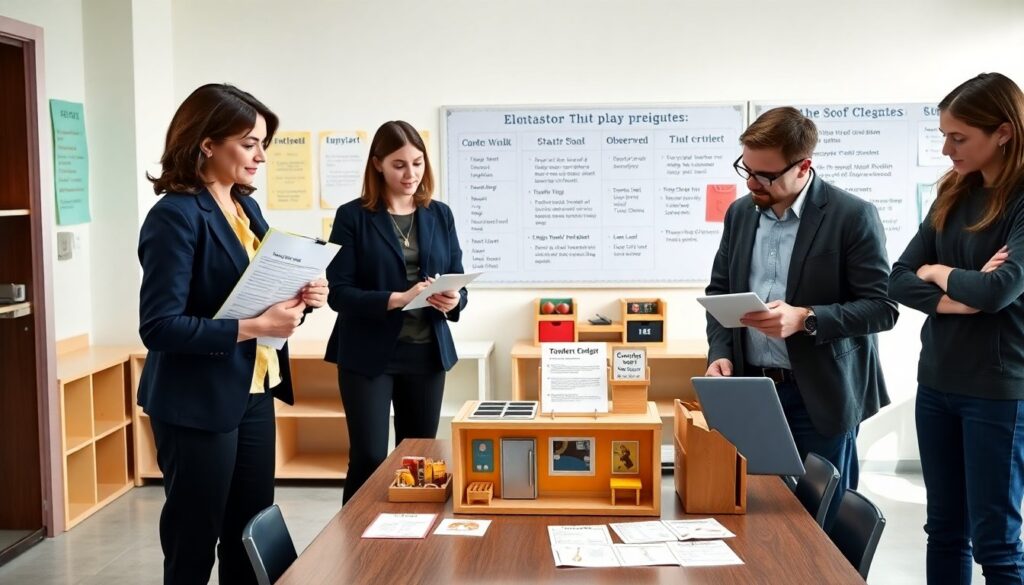
Observers use short tools when they test educational content toaster shop play critiques orhgjetseduveetcjoav. Use a 10-minute checklist that records task completion, verbal output, and peer interaction. Use quick probes to measure skill transfer after play. Use brief student interviews for insight into motivation. A sample rubric uses three levels: emerging, competent, and proficient for each goal. The rubric lists concrete evidence for each level and suggests next steps for instruction.
Practical Recommendations For Improving Toaster Shop Materials
Editors apply simple fixes when they revise educational content toaster shop play critiques orhgjetseduveetcjoav. They shorten directions into two clear steps. They add labels and visual cues for materials. They offer alternative props for different motor skills. They include scripted teacher prompts and three extension tasks. They ensure print materials use high-contrast fonts and plain language. They pilot small changes with a class and record results for one week.